
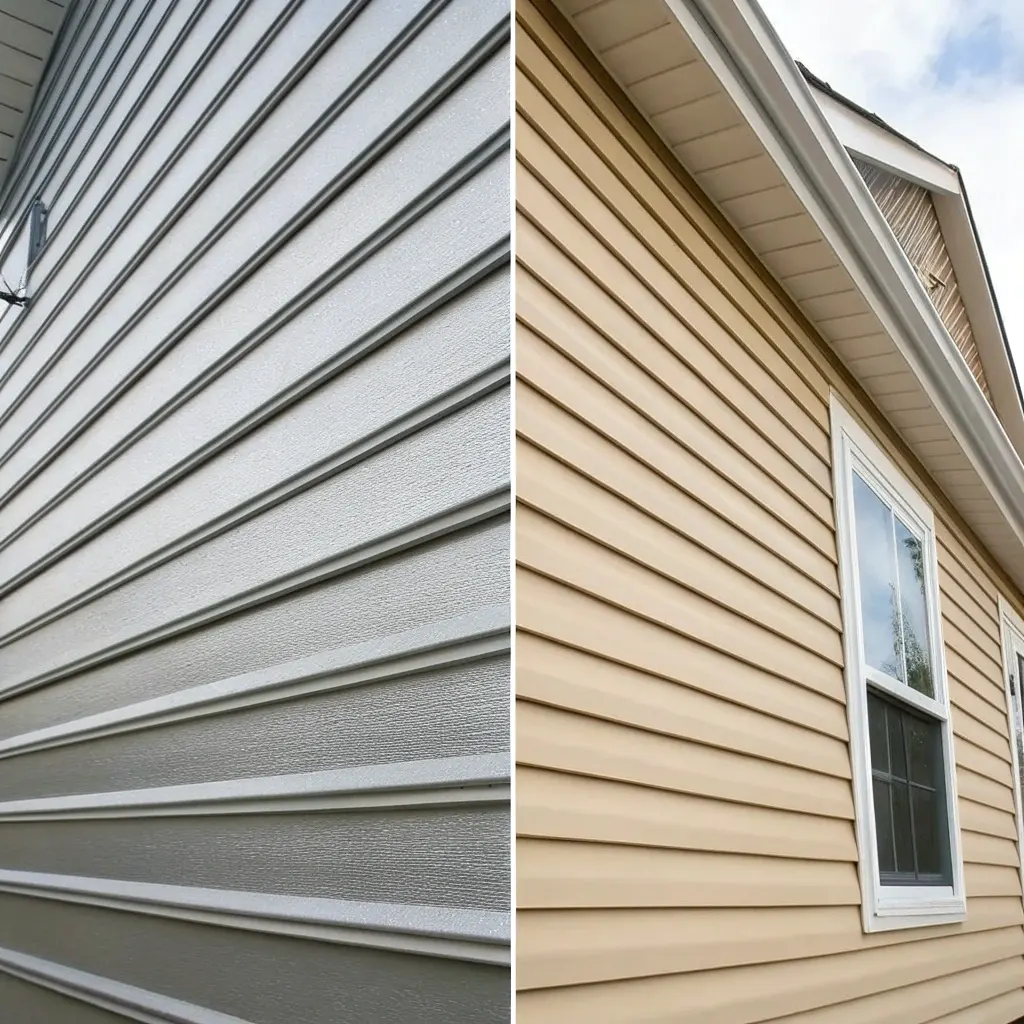
Have you ever walked past a house and wondered whether the siding was aluminum or vinyl? You’re not alone. At first glance, the two can look strikingly similar, but the difference matters more than most people realize. Knowing how to tell the difference between aluminum and vinyl siding isn’t just about curiosity—it affects home maintenance, cost decisions, energy efficiency, and even resale value. Whether you’re a homeowner, a buyer, or tackling a DIY project, the ability to identify siding material gives you a real advantage. In this guide, we’ll dive into all the ways to distinguish aluminum siding from vinyl siding, explore their pros and cons, break down costs, and give you actionable tips for upkeep. Keep reading to learn how to tell the difference between aluminum and vinyl siding and make smarter home decisions.
Why It Matters: Aluminum vs. Vinyl Siding
The siding on your home is more than just decoration—it’s the protective shield that guards against weather, pests, and energy loss. Here’s why knowing the difference between aluminum and vinyl siding matters:
- Cost implications: Vinyl siding is typically more affordable to install and replace, while aluminum may come with higher labor and repainting costs.
- Durability: Aluminum dents more easily but doesn’t crack. Vinyl resists dents but can split in extreme cold.
- Maintenance: Aluminum requires repainting, while vinyl is nearly maintenance-free but prone to fading over time.
- Energy efficiency: Vinyl siding often comes in insulated versions, reducing heating and cooling costs.
- Resale value: Buyers often prefer the modern look of vinyl, though aluminum still has loyal fans in coastal areas.
By understanding these key differences, you can avoid costly mistakes and choose the siding that’s best suited for your needs.
Need expert advice on Aluminum Composite Panels?
How to Tell the Difference Between Aluminum and Vinyl Siding
1. Surface Texture
Vinyl siding typically looks smoother and glossier, with plastic-like uniformity. Many vinyl panels are designed to mimic wood grain. Aluminum siding usually looks painted and may show oxidation or a chalky residue when touched.
2. Tap the Material
Tap the siding with your knuckles. Vinyl sounds hollow and plastic-like. Aluminum produces a metallic “ping” that’s sharper.
3. Examine the Edges
Vinyl panels are thicker and interlock with more prominent ridges. Aluminum panels are thinner with flatter overlaps.
4. Check for Aging
Vinyl may crack or fade but won’t dent easily. Aluminum dents frequently and leaves chalk on your hand if it has oxidized.
5. Use the Magnet Test
A magnet won’t stick to vinyl. Aluminum itself isn’t magnetic either, but if nails or steel backers are nearby, you might feel a slight pull.
6. Observe Weather Response
On hot days, vinyl can warp slightly, while aluminum remains rigid. In winter, vinyl may crack under pressure; aluminum won’t.
Comparison Table: Aluminum vs. Vinyl Siding
| Feature | Aluminum Siding | Vinyl Siding |
|---|---|---|
| Appearance | Painted, may chalk | Consistent, wood-grain options |
| Durability | Dents easily | Cracks in extreme cold |
| Maintenance | Needs repainting | Minimal upkeep |
| Cost | $6–$12 per sq. ft. | $3–$7 per sq. ft. |
| Energy Efficiency | Lower insulation | Insulated options |
| Lifespan | 20–40 years | 20–60 years |
Pros and Cons of Aluminum Siding
Advantages: Fire-resistant, pest-proof, recyclable, performs well in coastal climates.
Disadvantages: Dents and scratches, requires repainting, noisier during storms, less popular with modern buyers.
Pros and Cons of Vinyl Siding
Advantages: Affordable, wide variety of colors, low maintenance, energy-efficient options available.
Disadvantages: Prone to cracking in cold, may fade over decades, can warp under extreme heat, not as recyclable.
When to Choose Aluminum vs. Vinyl
- Choose Aluminum If: You live in a coastal climate, want fire resistance, or prefer repainting flexibility.
- Choose Vinyl If: You want affordability, minimal upkeep, and insulated options for energy savings.
Maintenance Tips
Aluminum: Wash yearly, repaint every 10–15 years, repair dents early.
Vinyl: Clean annually with soap and water, inspect for cracks, replace damaged panels promptly.
Cost Breakdown by Region
- Midwest: Vinyl is dominant due to affordability and insulation needs. Aluminum is rare.
- Coastal States: Aluminum is still common because it resists salt damage better.
- Urban Areas: Vinyl tends to be more popular for modern looks.
- Rural Areas: A mix of both, though vinyl is usually the go-to for budget-conscious homeowners.
Environmental Impact
Aluminum siding is highly recyclable but requires repainting chemicals. Vinyl has a heavier manufacturing footprint, though insulated vinyl can cut long-term energy waste. Some companies now offer recyclable vinyl siding options, bridging the gap.
Repair vs. Replacement
- Repair Aluminum: Best for small dents and scratches, but frequent repainting adds cost.
- Repair Vinyl: Easy to replace individual panels, though color-matching can be tricky.
- Replace Aluminum: More expensive but can boost fire safety and coastal durability.
- Replace Vinyl: Cheaper and offers high ROI on resale.
Historical Context
Aluminum siding gained popularity in the mid-20th century as a durable alternative to wood. Vinyl siding rose in the 1970s as a cheaper, low-maintenance solution, eventually overtaking aluminum in most regions. Today, vinyl is the market leader, but aluminum retains a niche in coastal and fire-prone areas.
Case Studies: Homeowner Stories
- Sarah in Ohio: Chose insulated vinyl siding and cut heating bills by 15%. Loves the low maintenance.
- Mark in Florida: Keeps aluminum siding for its resistance to salt air. Repaints every decade but appreciates its durability.
- Linda in New York: Switched from old aluminum to vinyl, increasing her home’s curb appeal and resale value.
Final Thoughts
Both aluminum and vinyl siding have strengths. Aluminum is ideal for coastal regions and fire-prone areas, while vinyl dominates in affordability, modern aesthetics, and insulation value. By learning how to tell the difference between aluminum and vinyl siding, you can make informed decisions about maintenance, repair, or replacement.
Frequently Asked Questions
1. How do I quickly identify siding type?
Check the feel and sound: vinyl feels plastic and hollow, aluminum feels metallic and dents.
2. Which lasts longer?
Vinyl can last 20–60 years, while aluminum averages 20–40 years with upkeep.
3. Which siding is more energy efficient?
Vinyl, especially insulated vinyl, is more energy efficient than aluminum.
4. Can both be painted?
Aluminum can be repainted easily. Vinyl can be painted but results may not last as long.
5. Which costs more?
Aluminum is more expensive upfront and for maintenance. Vinyl is more budget-friendly.
6. Is aluminum siding outdated?
Less common today, but still valued in coastal and fire-prone areas.
7. Does vinyl siding crack easily?
It can crack in extreme cold, but modern versions are more resilient.